We will respond quickly and choose the best option.
Quite a few landowners, gardeners and farmers dispose of plant waste without even realising they are wasting a valuable resource. After pruning trees and tidying up the garden, what remains is not rubbish, but material that can be put to much better use. Twigs, leaves, stems, kitchen waste (from the bin) – all of this can be put to use on the farm or returned to the natural cycle. How to compost organic waste, make mulch from branches and prepare firewood yourself – read on to find out.
COMPOST IS NOT ABOUT ‘ROTTING’, BUT A CONTINUOUS PROCESS
Organic matter decomposes when the right conditions are in place: oxygen, moisture and the correct structure of the material. These factors determine the time it takes to mature and the quality of the resulting compost. Faster composting can be achieved in as little as four months; this process is known as vermicomposting. This is when organic waste decomposes naturally and is further ‘processed’ by special types of worms, such as the red California worm. Without the involvement of these small organisms, the composting process will take between 12 and 24 months. The timeframe will depend on the components/ingredients added and the composting method – with or without access to oxygen.
WHAT KINDS OF BIOWASTE CAN BE COMPOSTED?
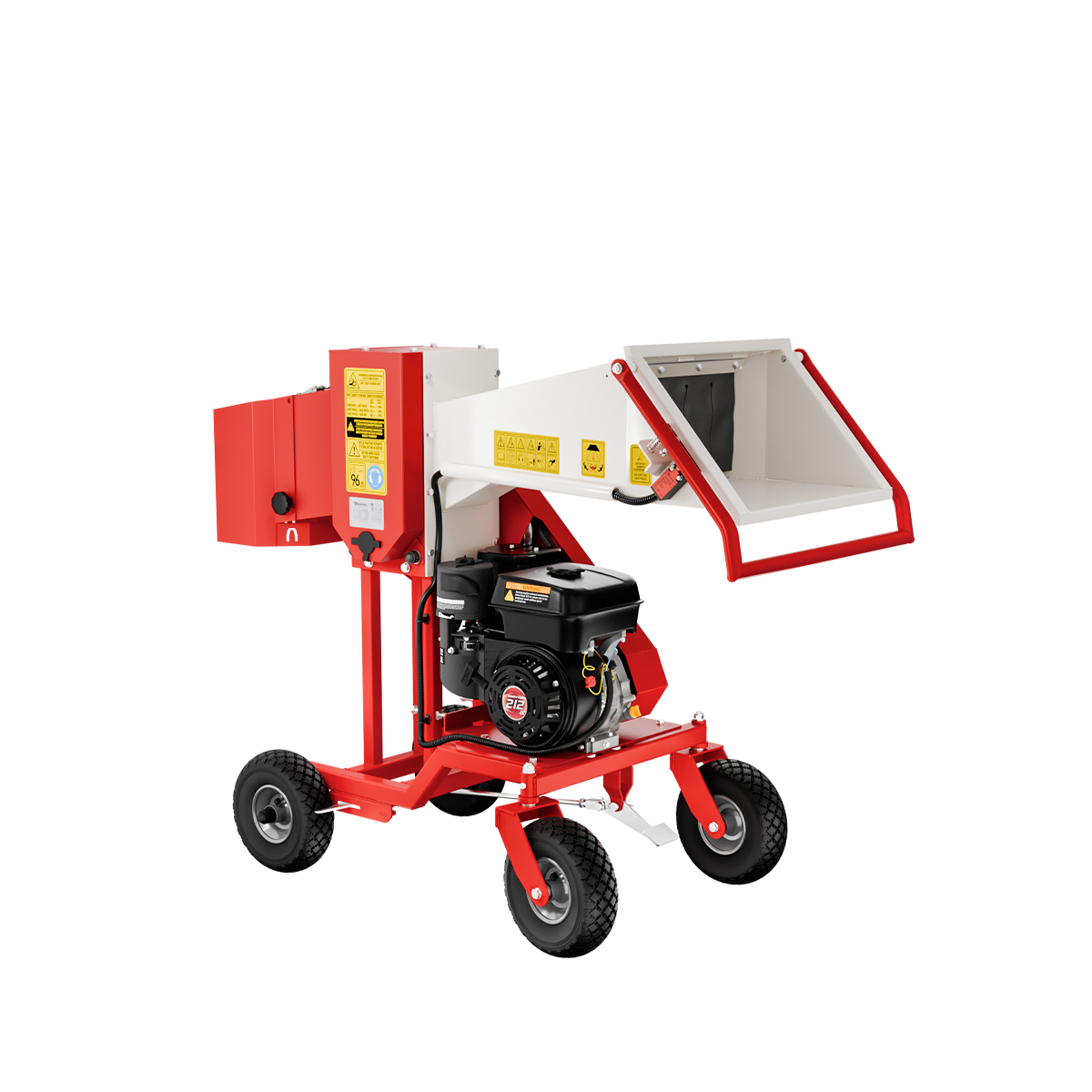
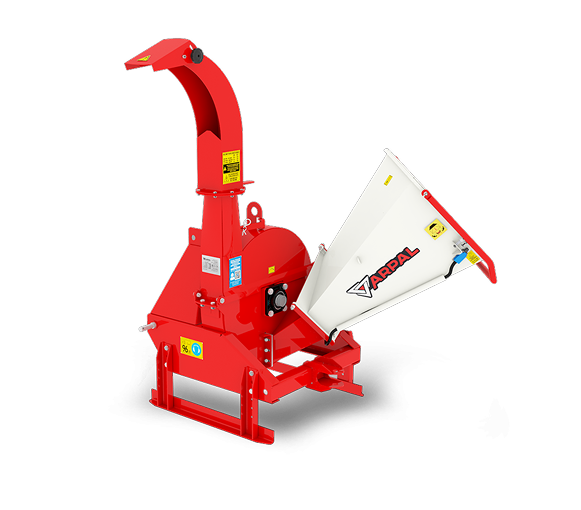
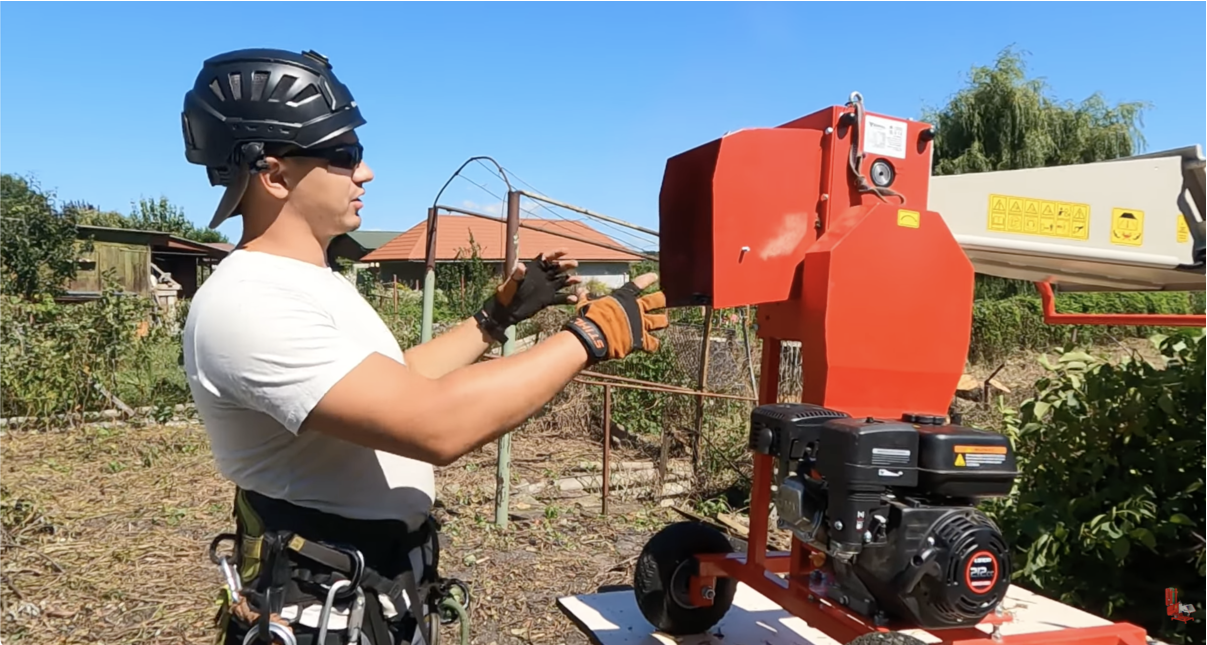
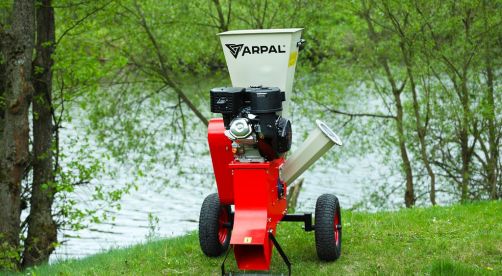
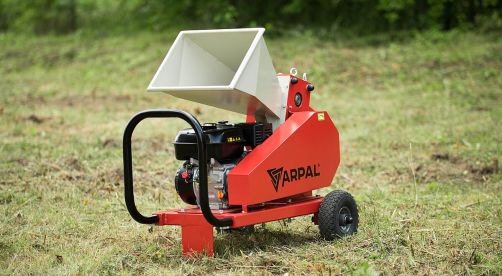
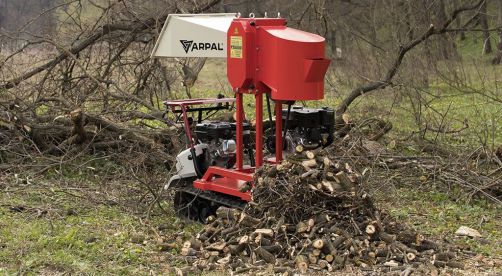
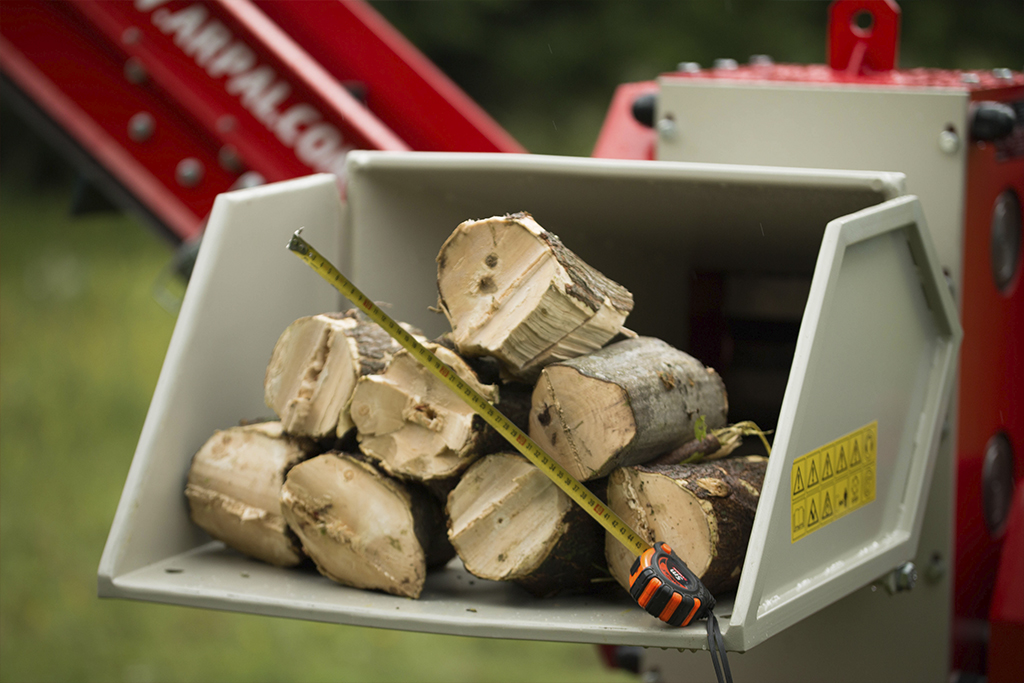
Composting works with most organic waste that accumulates both around the home and in the kitchen. First and foremost, this includes the usual ‘green matter’: leaves, grass clippings, straw and hay. This also covers plant waste left over after harvesting (vines, heads, stalks and tops). Woody material forms the basis of compost, but with one condition. Tree and shrub cuttings, bark, sawdust and wood shavings can be added provided they have not been chemically treated. Branches must be shredded, as thick branches do not compost but simply block airflow and compact the mass. However, this is easily resolved; wood can be quickly processed using a wood shredder. Here’s how it looks:
The diameter of the branches that can be shredded is 6–18 cm.
Food scraps such as vegetables, fruit, grains, jam, homemade juices and even expired plant-based products can all be returned to the soil to nourish it. This also includes tea leaves, coffee grounds and natural spices. They do not simply decompose, but also enrich the compost with trace elements. You can add whole or crushed grains, seeds, oilseed residues or processing waste to the composter or compost pit. Grains must be organic, i.e. free from chemical or biological treatments. There are also less obvious components for a compost pit. For example, paper or cardboard packaging from food products. Animal feed can also be added. Even algae or aquatic plants can form part of the organic matter.
Composting isn’t just a matter of guesswork. The Ministry of Community Development, Territories and Infrastructure has set out guidelines and procedures on how to properly process bio-waste and how much compost to apply to berry or ornamental bushes, fruit trees, seedlings and lawns – read more here.
WHAT CAN’T BE COMPOSTED?
Not everything that looks like waste is suitable for composting. Cigarette ends, cotton wool products, glass, household rubbish and paint should all be discarded immediately. Meat scraps, fish bones, fat, oil, dairy products, baked goods and animal waste should also not be used. Such materials do not decompose properly and only spoil the process. It is also worth noting that if plant matter has been affected by disease, it must not be added to the compost under any circumstances. The temperature in the heap will not rise high enough to destroy bacteria and fungi. Instead of decomposing, the material will start to rot.
BRANCH MULCH: WHEN YOU NEED IMMEDIATE RESULTS
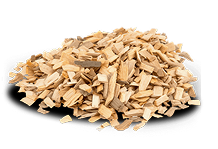
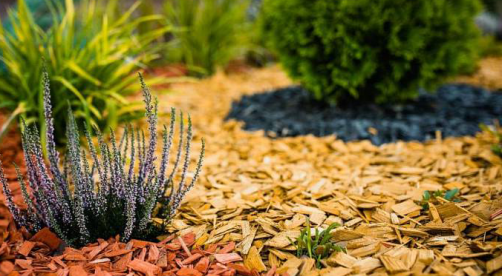
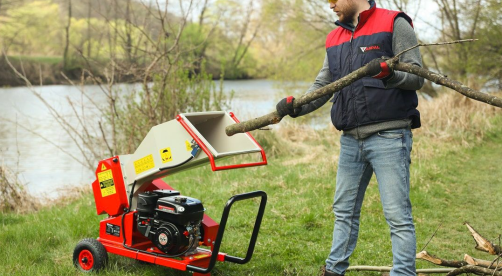
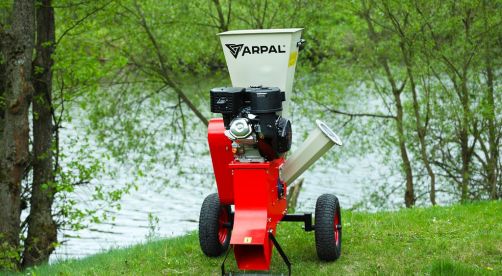
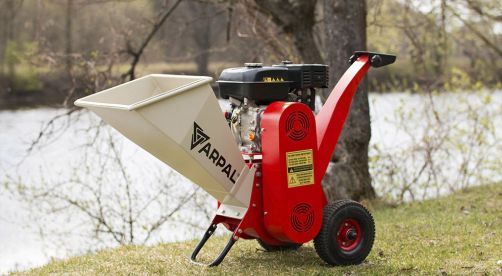
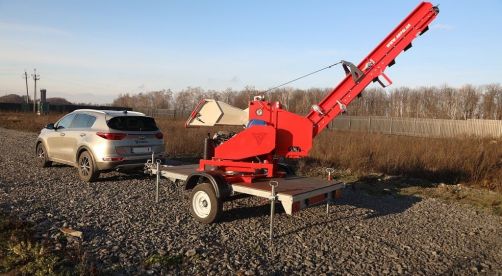
Not everyone wants to wait. And it isn’t always necessary. Mulching is a different approach. Here, organic matter isn’t buried in a hole; it’s left on the surface as a protective layer. Wood chips are produced from garden branches, which are then spread over the soil around plants and trees. What is the result? Moisture evaporation is reduced, the crust disappears after rain, weeds receive less light and do not ‘take hold’ as readily. Life emerges beneath the covering layer. Microflora, earthworms, beneficial bacteria – these are the very things that improve plant immunity. But there is one ‘but’. Mulch is not just branches. It is a material you can prepare yourself from tree cuttings. To do this, you need a portable wood chipper. It can process branches from both soft and hard wood species. Here’s what wood processing with a wood chipper looks like:
As long as the wood is left in a pile, it serves no purpose. Instead, the pile of waste takes up space, collects moisture and spoils the appearance of the site. It also gives the impression that the job is unfinished. This can be resolved without putting a strain on your budget – by buying a wood chipper on an instalment plan.
CUTTING FIREWOOD FROM FELLED TREES
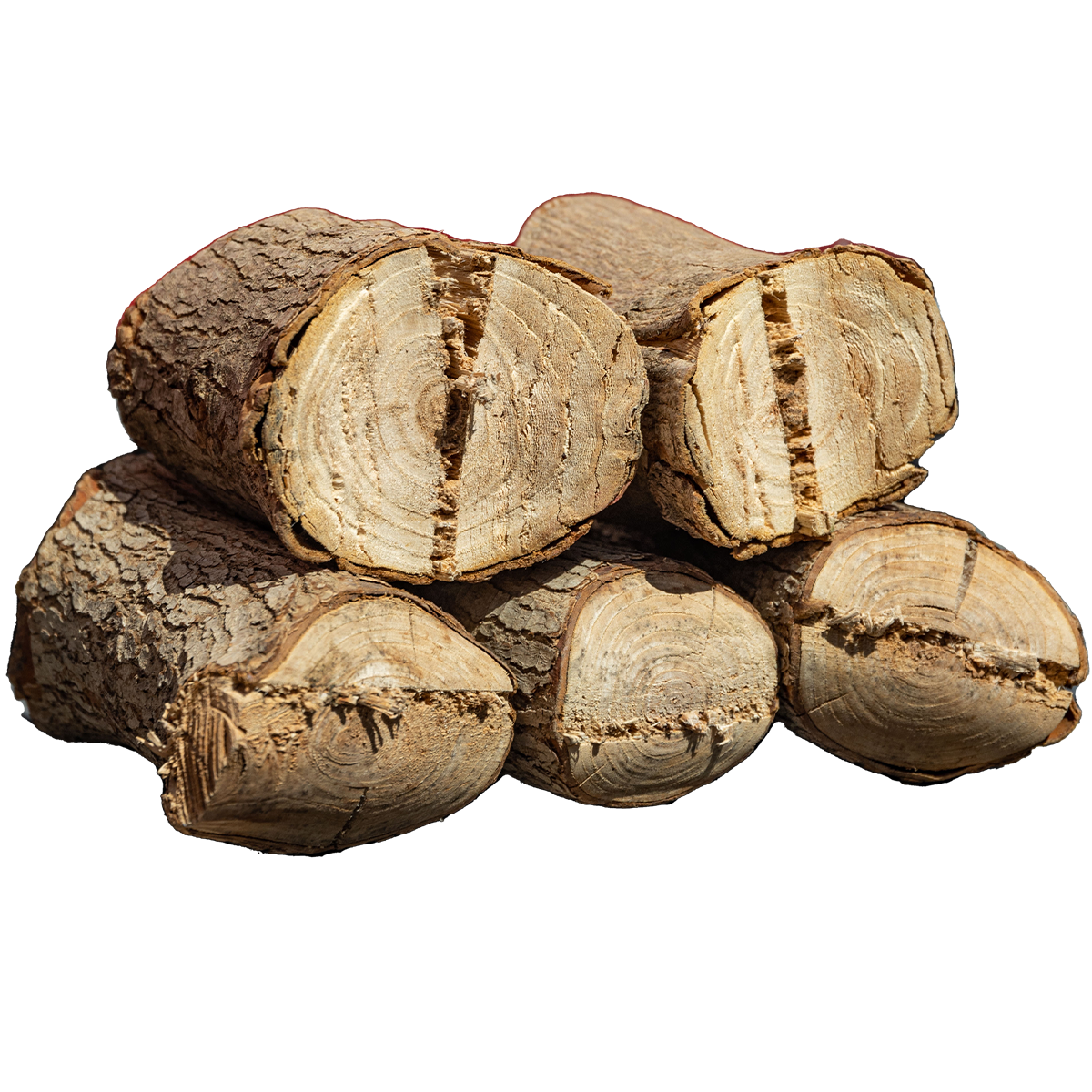
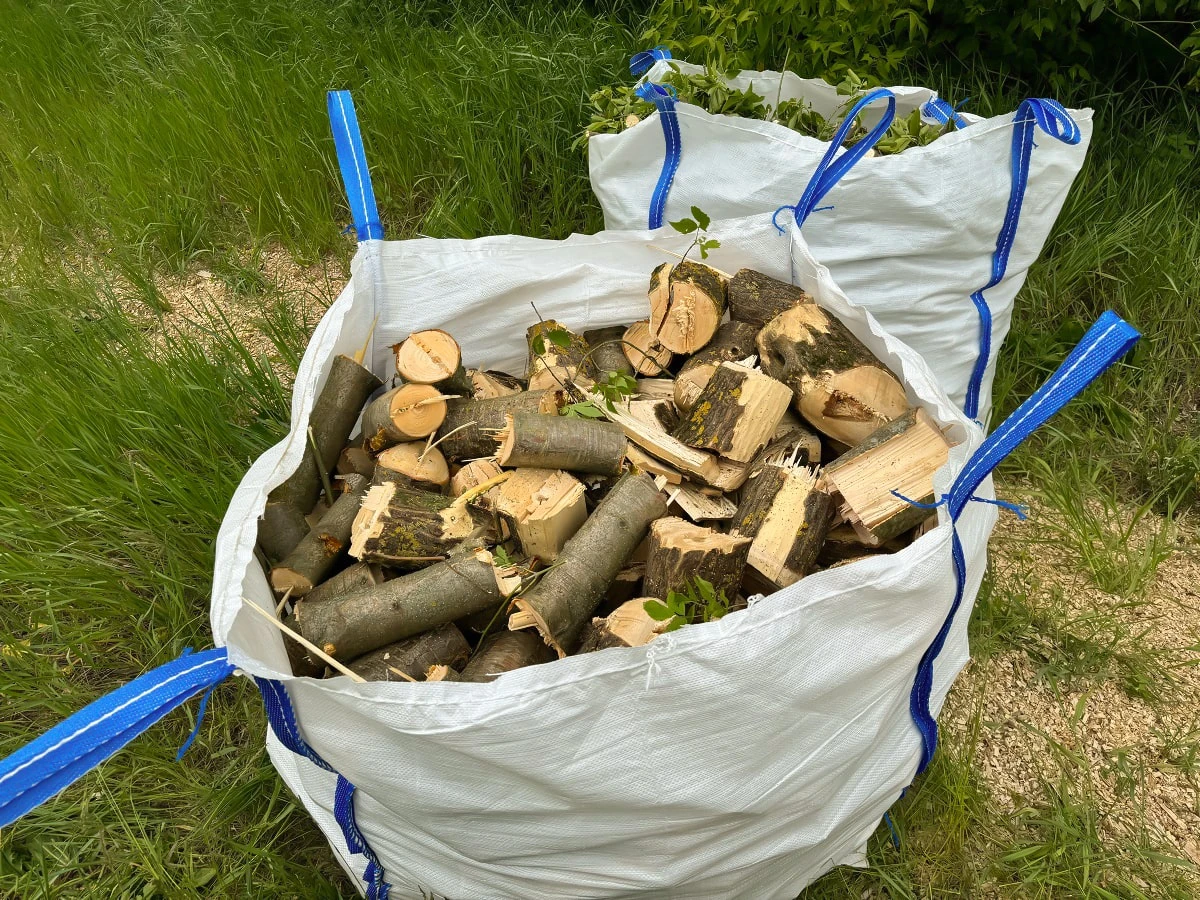
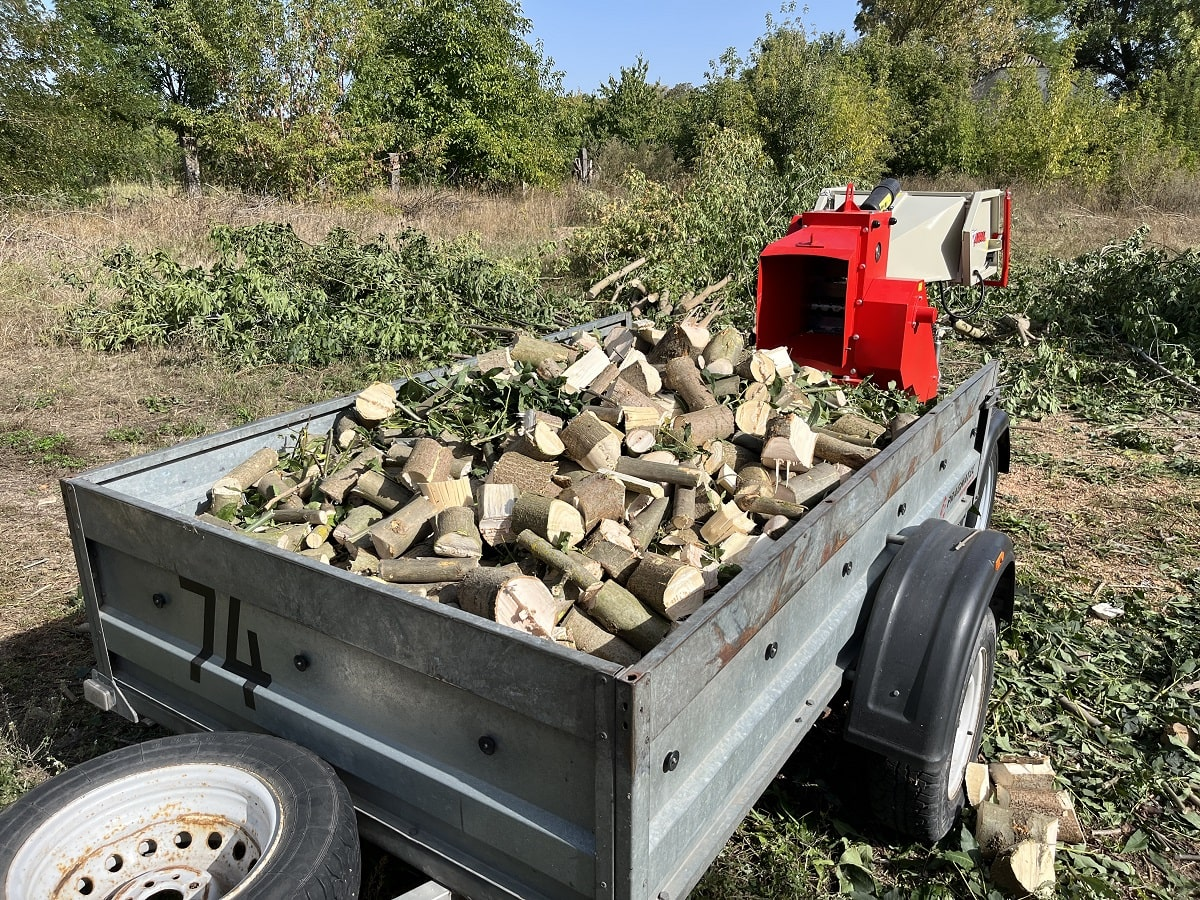
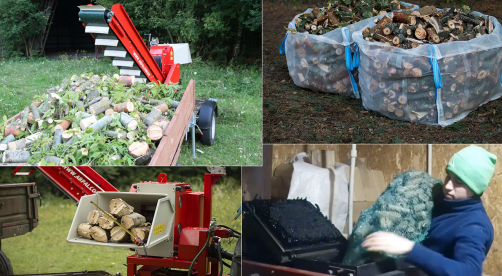
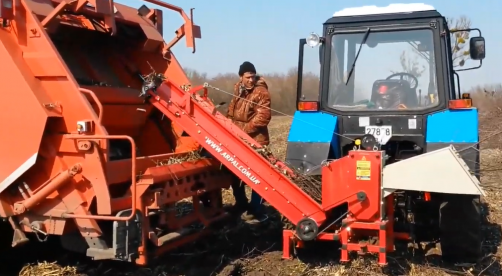
After spring or autumn tree pruning, some branches are unsuitable for either composting or mulching. These are thick, dense pieces of wood that do not decompose quickly. Nor should they. Such branches are your raw material for firewood. All you need is a log splitter to cut the wood into logs. This firewood can be used straight away around the home: for stoves, fireplaces and boilers. If it’s hardwood or fruit tree wood, it’s also suitable for barbecues. Some of the material can be put to other uses. Large pieces are sometimes kept for landscaping the plot – they’re used to create paths, decorative walls and flower beds, or to make garden features.
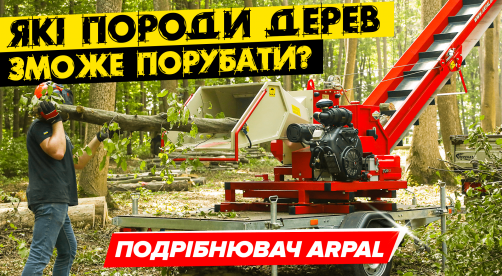
Watch the video below to see how a 6-metre walnut tree was cut down in 30 minutes using a wood chipper.
The branch isn’t going anywhere. It will always be there. The only question is: is it just lying there, or is it doing something?